



Excessive speed in Maryland can lead to more than an ordinary speeding ticket when conduct meets the state’s reckless driving law. Maryland sets maximum lawful speeds, but drivers must also adjust speed for traffic, weather, road conditions, and other dangers.
A citation can create fines, points, insurance concerns, or court obligations. The difference between speeding and reckless driving matters. Knowing the legal threshold and available evidence can help drivers respond carefully. Drivers should not assume every speeding citation has the same consequences.
1. Excessive speeding
Excessive speeding can create concerns beyond an ordinary citation when the alleged speed reaches Maryland’s reckless driving threshold. Drivers should review the posted limit, alleged speed, roadway conditions, and circumstances surrounding the stop.
Maryland law also requires drivers to operate at a reasonable and prudent speed under existing conditions. Understanding these distinctions can help drivers recognize whether a citation involves ordinary speeding or potentially more serious allegations. The exact language on the citation can also clarify which Maryland traffic law applies.
2. Reckless driving by speed
Reckless driving by speed can apply when a driver travels at least 30 miles per hour above the posted speed limit. Maryland law also addresses driving with wanton or willful disregard for the safety of people or property.
The 30-mile-per-hour threshold is therefore an important distinction for drivers facing serious speeding allegations. The citation should be reviewed carefully because the alleged speed, posted limit, location, and surrounding circumstances can affect the potential consequences of the charge.
3. Highway speeding laws
Highway speeding laws establish different maximum speeds depending on the type and location of a Maryland highway. State law generally permits maximum limits up to 70 miles per hour on qualifying highways.
Drivers must also consider traffic, weather, road conditions, curves, intersections, and other hazards. A posted speed limit does not remove the requirement to drive at a reasonable and prudent speed. These factors can become relevant when evaluating a serious speeding allegation or related traffic charge.
4. Aggressive driving
Aggressive driving is a separate offense from reckless driving, although certain circumstances can overlap. Maryland law identifies specific underlying traffic violations that can contribute to an aggressive driving allegation. Speeding may be one factor, depending on the conduct involved.
Drivers should review the citation carefully to determine which violations are alleged and whether multiple offenses appear together. Understanding each allegation separately can help clarify the potential consequences and the issues that may need to be addressed.
5. Criminal speeding charge
Criminal speeding charge is not a term that automatically describes every speeding citation in Maryland. Ordinary speeding and reckless driving are separate offenses with different statutory consequences. A serious speeding allegation may involve additional charges when the alleged conduct satisfies another traffic offense.
Drivers should review the exact statute, alleged speed, posted limit, and language on the citation. Those details can help determine what offense has been charged and what penalties may potentially apply in the particular case.
6. Speed camera vs traffic stop
Speed camera vs traffic stop can matter because Maryland uses different procedures for certain automated speed monitoring violations. A speed camera citation may involve a civil penalty and different procedures from a citation issued after an officer stops a driver.
The source of the citation should therefore be identified before evaluating the case. Drivers should review the notice carefully, including the alleged speed, location, date, and instructions for responding to the citation before deciding how to proceed.
7. MVA points for speeding
MVA points for speeding can affect a driver’s record after a qualifying conviction. Maryland assigns different point values depending on the specific traffic violation and the amount of speeding involved.
Six points can apply to speeding 30 miles per hour or more above the posted limit. Accumulated points may also affect driving privileges. Drivers should consider their existing record when evaluating a citation because the consequences can extend beyond the initial fine or court date.
8. Reckless driving defense
Reckless driving defense depends on the specific facts and evidence surrounding the allegation. Important issues may include the posted speed limit, alleged speed, speed measurement, officer observations, roadway conditions, traffic, and available records. The exact statute listed on the citation also matters.
Reviewing these details can help identify factual or legal issues that may require attention. Because every traffic case has different circumstances, the appropriate response should be based on the evidence involved and applicable Maryland law.
9. Traffic offense penalties
Traffic offense penalties vary depending on the specific Maryland violation and circumstances. A speeding conviction can involve a fine and points, while reckless driving carries separate statutory penalties. Additional violations can create further consequences depending on the charges involved.
Drivers should therefore avoid assuming that every speeding citation is handled identically. Reviewing the citation and applicable statute can provide a clearer understanding of the potential fines, points, court requirements, and other consequences that may apply.
What Drivers Should Know About Excessive Speed in Maryland
A speeding citation can become more serious when the alleged speed reaches Maryland’s reckless driving threshold. Consequences may include fines, points, court involvement, and possible incarceration. Reviewing the citation and surrounding circumstances can help clarify the potential consequences.
Excessive speed in Maryland should therefore be taken seriously, especially when the alleged speed is 30 miles per hour above the limit. Monteiro Law provides legal guidance for drivers facing traffic charges. To discuss your situation, you can (443) 397-4939 or visit our contact page.
Frequently Asked Questions
What is the highest speed limit in Maryland?
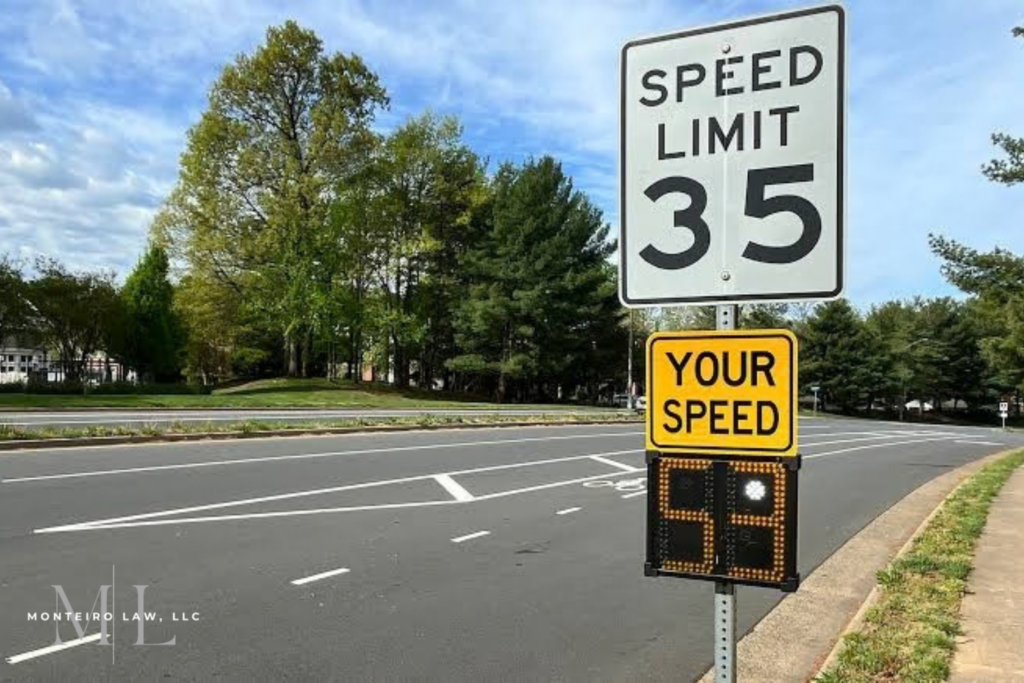
The highest speed limit that may be established on a Maryland highway is generally 70 miles per hour. State law allows higher limits only within specific statutory limits and generally restricts highways that are not interstates or expressways to 55 miles per hour or less.
A posted limit controls where a lawful limit has been established. Drivers should also remember that Maryland requires reasonable and prudent speeds for actual conditions. Weather, traffic, curves, intersections, and other hazards can require a lower speed than the posted maximum.
How strict is Maryland on speeding?
Maryland treats speeding as a moving violation that can affect both fines and driving records. The consequences depend on how far the driver exceeded the posted limit and whether the conduct supports another charge.
Speeding 10 miles per hour or more above the limit generally carries two points. Speeding 30 miles per hour or more above the limit carries six points. Serious speeding can also support a reckless driving charge. The specific citation, alleged speed, location, and driving circumstances should be reviewed before deciding how to respond.
What is reckless speed in Maryland?
Maryland law treats driving at least 30 miles per hour above the posted speed limit as reckless driving. The statute also covers driving with wanton or willful disregard for the safety of people or property.
This means the 30-mph threshold is important, but reckless driving is not limited to speeding. A driver should check the posted limit and alleged speed shown on the citation. A conviction for reckless driving can carry up to $1,000 in fines or up to 60 days of imprisonment, or both.
What is the maximum jail time for speeding in Maryland?
Ordinary speeding and reckless driving should not be treated as the same offense. A standard speeding violation is generally handled as a traffic matter with fines and points, rather than the reckless driving jail penalty.
However, Maryland’s reckless driving statute allows imprisonment for up to 60 days. That charge can apply when a driver travels at least 30 miles per hour above the posted limit. Other facts can also support a reckless driving charge. The exact statute listed on the citation is important when determining the potential consequences of a speeding case.