


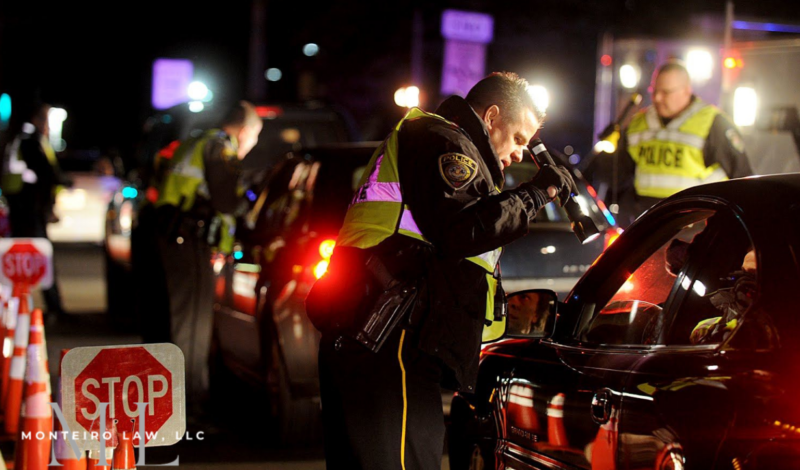

DUI checkpoints allow officers to screen motorists for signs of impairment. However, it is essential to note that checkpoint procedures must comply with constitutional standards and applicable state law.
In these checks, drivers should remain calm, follow lawful directions, and provide documents when legally required. An encounter may remain brief, or officers may begin a separate investigation if they observe signs of impairment.
Understanding the difference can help drivers respond appropriately without escalating the situation. The legality of a stop depends on its specific circumstances, not simply on the fact that police established a checkpoint.
What Are Your Rights at a DUI Checkpoint?
DUI checkpoint rights Maryland involve understanding what officers may lawfully request and how checkpoint procedures operate.
A checkpoint does not remove every protection a driver has under the Constitution. Officers should use lawful procedures and avoid arbitrary decisions when selecting vehicles.
Relevant details may include location, stopping pattern, supervisory oversight, and officer discretion. If police depart from applicable requirements, the circumstances may deserve closer review.
Hence, drivers should not assume every checkpoint is unlawful. Legality depends on the operation and facts surrounding any later detention, search, or arrest.
What Are the Penalties for Refusing a Breath Test?
Breath test refusal penalties depend on the test requested and the circumstances. Drivers should distinguish a roadside screening breath test from a formal chemical test after arrest. The procedures, purposes, and consequences differ. Maryland law addresses chemical testing and administrative license sanctions.
Specific circumstances affect the outcome. Refusal does not automatically resolve the criminal case in a driver’s favor. Identify which test officers requested, when they requested it, and what warnings they provided. Preserve paperwork and seek advice based on the actual charge and record.
Can You Challenge an Illegal Traffic Stop?
Illegal traffic stop defense may involve reviewing how officers selected vehicles, whether the checkpoint followed an established plan, and what happened afterward. An attorney may review written policies, body-camera footage, dash-camera recordings, reports, and witness accounts. The defense should distinguish an initial checkpoint stop from any later detention or search.
A procedural flaw does not automatically mean evidence will be excluded. Courts consider governing law and specific facts before deciding whether a constitutional violation occurred and what remedy, if any, is available.
What Constitutional Rights Apply During a Traffic Stop?
Constitutional rights traffic stop concerns may arise when officers extend detention or conduct a search. Constitutional protections apply during traffic encounters, although precise rules depend on the situation. Officers may ask questions, but extending detention can raise separate legal issues. A driver should avoid physical resistance and should not assume disagreement roadside will resolve the matter.
Record events as soon as practical, including location, timing, questions, instructions, and searches or tests. These details may help counsel compare the officer’s account with recordings and assess whether the encounter remained lawful.
How Can Roadside Sobriety Test Evidence Be Challenged?
Roadside sobriety test defense can involve reviewing balance exercises, coordination tests, and instructions. Results may be affected by lighting, road conditions, footwear, injuries, medical limitations, or unclear directions.
A careful review asks whether the officer explained and administered each exercise appropriately and whether the report accurately describes the driver’s performance.
Chemical testing raises different questions, including procedures followed and reliability of records. No single detail guarantees a defense, but inconsistencies can matter when evaluating prosecution evidence and deciding how to respond to the charge.
When Can a Lawyer Seek to Suppress DUI Arrest Evidence?
DUI arrest suppression lawyer can assess whether police conduct supports a motion to suppress evidence, but suppression is not automatic. The analysis may include checkpoint operation, the basis for further detention, the scope of any search, and compliance with relevant procedures.
Counsel can examine whether testing records and witness accounts support the allegations. Drivers should keep citations, release documents, and testing paperwork, and write down their recollection while details remain fresh. An early review can help identify issues that might otherwise be overlooked.
What Should You Do After a DUI Stop?
DUI stop Ocean City Maryland cases may involve unfamiliar roads, seasonal traffic, and busy coastal communities. The location alone does not determine whether a stop was lawful or whether a charge can be defended. Relevant questions include how the checkpoint operated, what officers observed, and what led to further investigation.
Drivers should preserve documents and avoid posting details about a pending case online. A Maryland attorney can evaluate evidence under applicable law and explain possible next steps without promising a particular result.
How Can a Maryland Criminal Traffic Attorney Help With a DUI Charge?
Criminal traffic attorney MD representation may help drivers understand their options after an arrest. Monteiro Law handles criminal defense matters, including impaired driving charges and traffic offenses. Attorney Jared Monteiro is a former prosecutor with more than a decade of criminal law experience. Drivers can explore the firm’s DUI and DWI defense services and traffic offense representation. Maryland’s implied-consent requirements appear in Transportation Article § 16-205.1. For assistance, visit Monteiro Law or contact our firm at 443-397-4939.
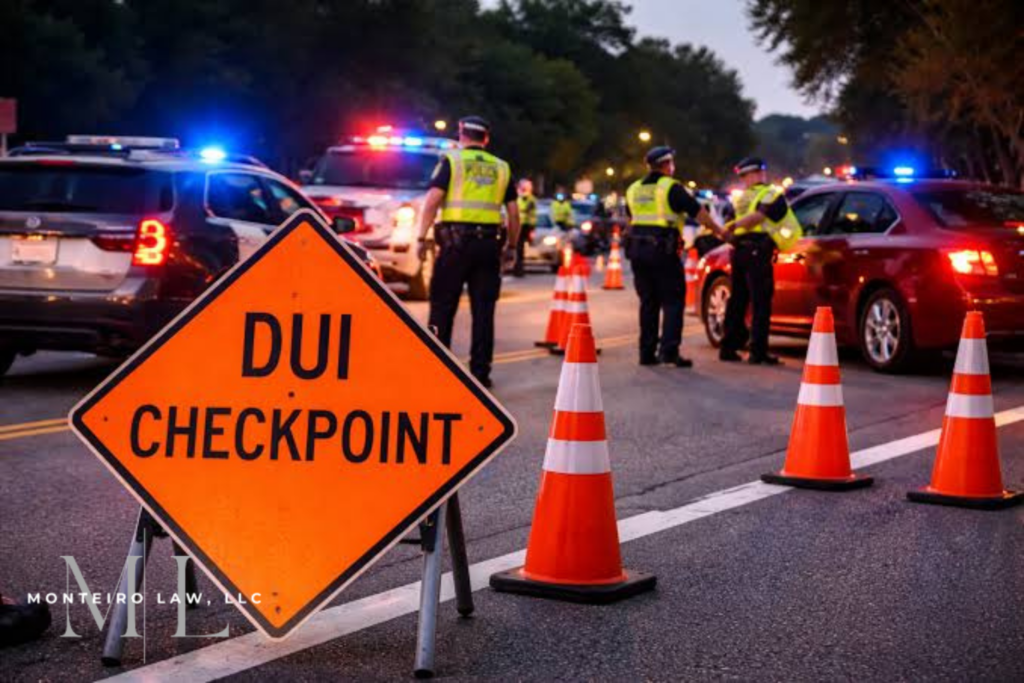
Drivers who encounter DUI checkpoints should understand that checkpoint procedures must comply with applicable legal requirements. The legality of a stop and any subsequent investigation depends on the circumstances. An attorney can review the evidence and explain potential defense options.
Frequently Asked Questions
When at a DUI checkpoint, what should you do?
Stay calm, follow lawful instructions, and provide required documents. If arrested, seek legal advice about your roadside sobriety test defense.
Can I turn around before a DUI checkpoint?
A lawful turn before reaching a checkpoint is not automatically illegal. However, traffic violations may justify a separate stop. An attorney can review a potential illegal traffic stop defense MD based on the circumstances.
Can you refuse a DUI checkpoint in Florida?
Follow lawful checkpoint instructions and avoid unsafe maneuvers. Refusing a chemical test after an arrest can affect your driving privileges. Breath test refusal penalties MD differ from Florida law, so seek advice specific to the state where the stop occurred.
Do you have to show ID at a DUI checkpoint in California?
Drivers generally must present their license when lawfully required. Checkpoint stops must comply with constitutional standards, and additional searches or detention depend on the circumstances. A constitutional rights traffic stop MD attorney can explain Maryland law if your case occurred there.